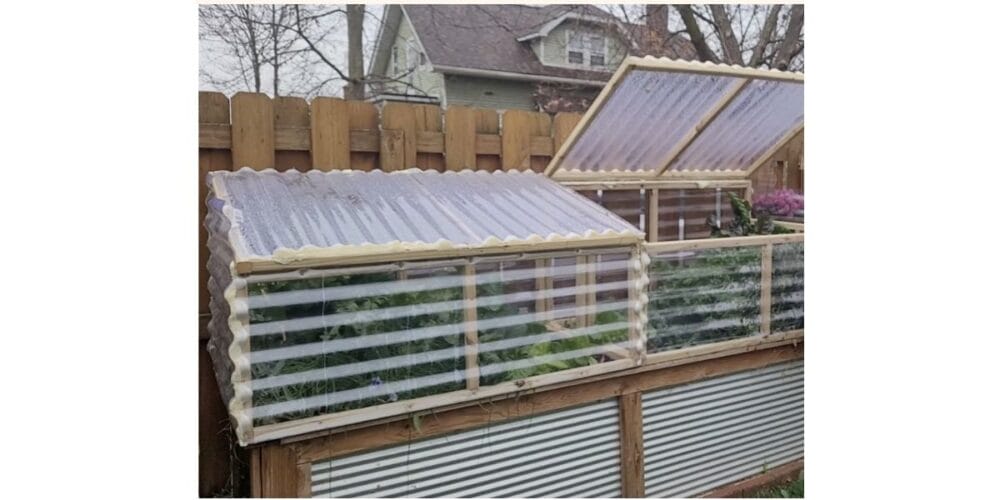
How to Make a DIY Cold Frame or Mini Greenhouse
Extending your gardening season doesn’t require an expensive greenhouse. With a little creativity and basic materials, you can build a DIY cold frame or mini greenhouse that protects plants from cold, frost, and harsh winds. These simple structures help you start seeds earlier, grow winter vegetables, and harden off seedlings naturally.
In this guide, you’ll learn what a cold frame is, its benefits, and step-by-step instructions to make one at home.
What Is a Cold Frame or Mini Greenhouse?
A cold frame is a low, box-like structure with a transparent top that traps sunlight and heat, creating a warmer microclimate for plants. A mini greenhouse works on the same principle but may be taller or more enclosed.
Both are ideal for:




- Extending the growing season
- Protecting young plants from frost
- Growing cool-season crops
- Hardening off seedlings before transplanting
Benefits of Using a DIY Cold Frame
1. Extends the Growing Season
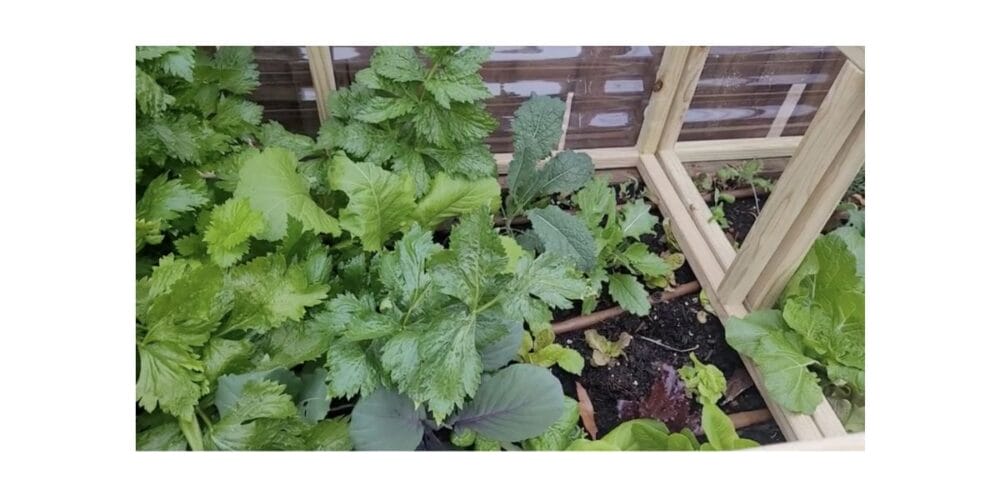
Cold frames allow you to grow vegetables weeks earlier in spring and later into fall or winter.
2. Protects Plants Naturally
They shield crops from frost, heavy rain, wind, and pests without electricity or chemicals.
3. Budget-Friendly Gardening
Most DIY cold frames can be built using recycled materials like old windows or plastic sheets.
4. Improves Seedling Survival
Gradual exposure to outdoor conditions helps seedlings adjust better before transplanting.
Also Read: The Best Homemade Herb Teas for Sleep: Natural Remedies for Restful Nights
Best Location for Your Cold Frame
- Choose a south-facing spot to maximize sunlight
- Place it near a wall or fence for extra warmth
- Ensure good drainage to prevent waterlogging
Materials Needed for a DIY Cold Frame
You can customize based on what you have, but common materials include:
- Old window, glass panel, or clear polycarbonate sheet
- Wooden planks, bricks, or concrete blocks
- Screws or nails
- Hinges (optional but recommended)
- Measuring tape
- Drill or screwdriver
How to Make a DIY Cold Frame (Step-by-Step)
Step 1: Measure and Plan
Decide the size based on available space. A common size is 3–4 feet wide and 2–3 feet deep, which allows easy access from one side.
Step 2: Build the Frame
- Use wooden planks or bricks to create a rectangular box
- Make the back slightly taller than the front for better sun exposure and water runoff
- Secure the corners firmly
Step 3: Attach the Transparent Lid
- Place an old window or clear plastic sheet on top
- Use hinges so you can open it for ventilation
- Ensure it fits snugly to retain heat
Step 4: Set It in Place
Position the cold frame directly on garden soil or raised beds. This allows plants to benefit from ground heat.
Also Read: Peanut Cultivation: A Complete Guide to Growing Groundnut Successfully
How to Make a Simple Mini Greenhouse
If you want an even easier option, try one of these:
Plastic Bottle Mini Greenhouse
- Cut the bottom off a large plastic bottle
- Place it over individual plants
- Remove the cap for ventilation on warm days
Hoop Tunnel Mini Greenhouse
- Bend PVC pipes or metal rods into hoops
- Cover with clear plastic
- Secure the edges with soil or bricks
Best Crops to Grow in a Cold Frame

Cold frames are perfect for cool-season and hardy crops, such as:
- Spinach
- Lettuce
- Kale
- Arugula
- Radishes
- Carrots
- Herbs like parsley and coriander
They can also be used to start warm-season seedlings like tomatoes and peppers early.
Ventilation and Temperature Control
Ventilation is crucial to prevent overheating.
- Open the lid on sunny days
- Close it before evening to retain warmth
- Use a thermometer inside for monitoring
On very cold nights, add extra insulation using straw, cardboard, or garden fabric.
Also Read: Diseases of Sunflower Plant: Identification, Symptoms, and Effective Management
Maintenance Tips for Long-Term Use
- Clean the glass or plastic regularly for maximum sunlight
- Check hinges and joints for wear
- Rotate crops to maintain soil health
- Avoid overcrowding plants inside the frame
Common Mistakes to Avoid
- Forgetting to ventilate on warm days
- Using thin plastic that tears easily
- Placing the frame in shaded areas
- Overwatering enclosed plants
Final Thoughts
A DIY cold frame or mini greenhouse is one of the smartest additions to any kitchen garden. It’s affordable, eco-friendly, and highly effective for extending your growing season naturally. Whether you use recycled windows, plastic bottles, or simple hoops, these structures help you grow healthier plants while saving money and effort.
With just a few hours of work, you can enjoy fresh greens, stronger seedlings, and a more productive garden all year round.
Happy gardening!
Also Read: About How to Make a DIY Cold Frame or Mini Greenhouse on gardenary.com Site